 |
Cheat Engine The Official Site of Cheat Engine
|
 FAQ
FAQ Search
 Memberlist
 Usergroups
 Register
 Profile
 Log in to check your private messages
 Log in
| Finding function help |
  |
| Author | Message | |||||||||||||||||
|---|---|---|---|---|---|---|---|---|---|---|---|---|---|---|---|---|---|---|
| TomCrow How do I cheat? Joined: 11 Dec 2014 Posts: 2 |
|
|||||||||||||||||
|
||||||||||||||||||
 |
||||||||||||||||||
| atom0s Moderator  Reputation: 205 Reputation: 205Joined: 25 Jan 2006 Posts: 8587 Location: 127.0.0.1 |
|
|||||||||||||||||
|
||||||||||||||||||
|
||||||||||||||||||
| TomCrow How do I cheat? Joined: 11 Dec 2014 Posts: 2 |
|
|||||||||||||||||
|
||||||||||||||||||
|
||||||||||||||||||
| atom0s Moderator Reputation: 205Joined: 25 Jan 2006 Posts: 8587 Location: 127.0.0.1 |
|
|||||||||||||||||
|
||||||||||||||||||
|
||||||||||||||||||


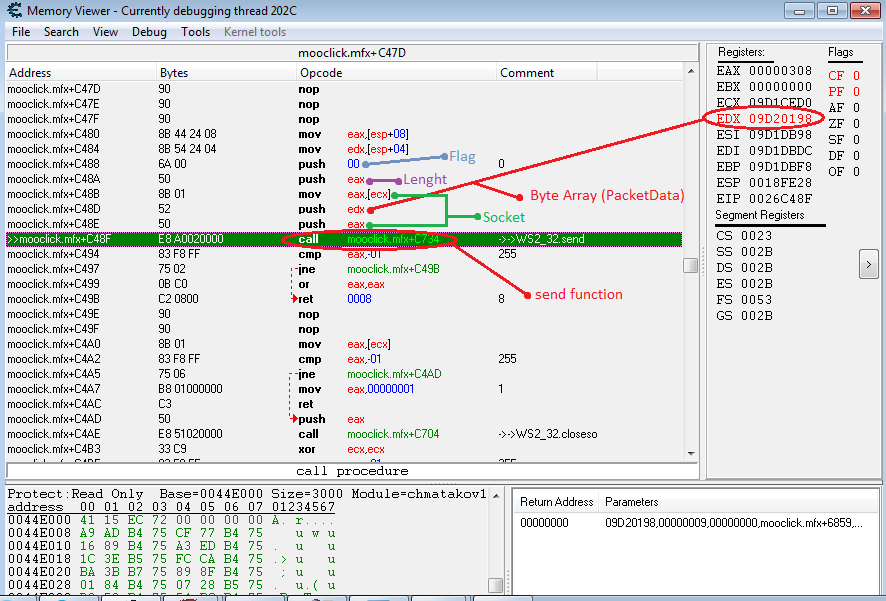


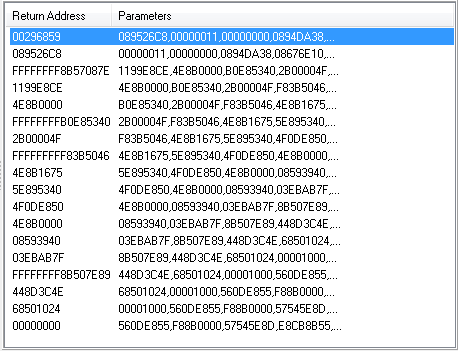
|
|
All times are GMT - 6 Hours |
|
|
You cannot post new topics in this forum You cannot reply to topics in this forum You cannot edit your posts in this forum You cannot delete your posts in this forum You cannot vote in polls in this forum You cannot attach files in this forum You can download files in this forum |
Powered by phpBB © 2001, 2005 phpBB Group
CE Wiki IRC (#CEF) Twitter
Third party websites